


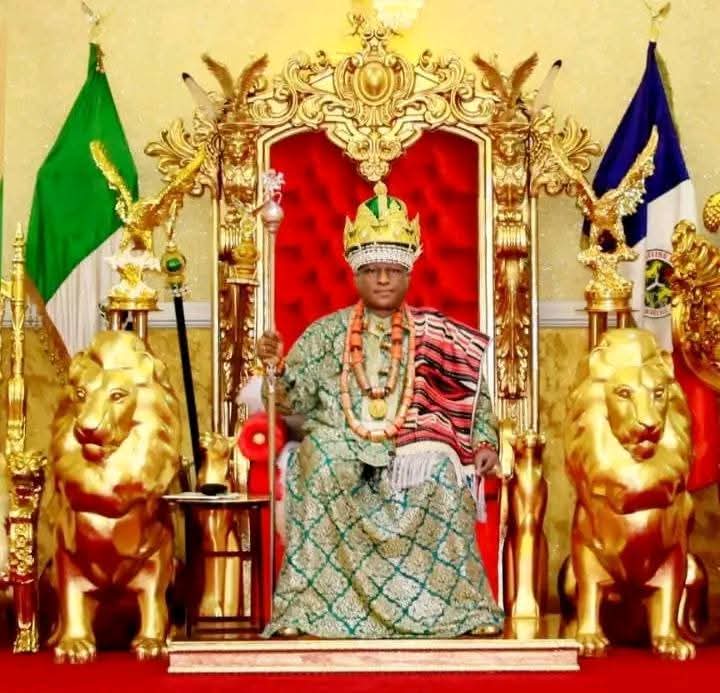
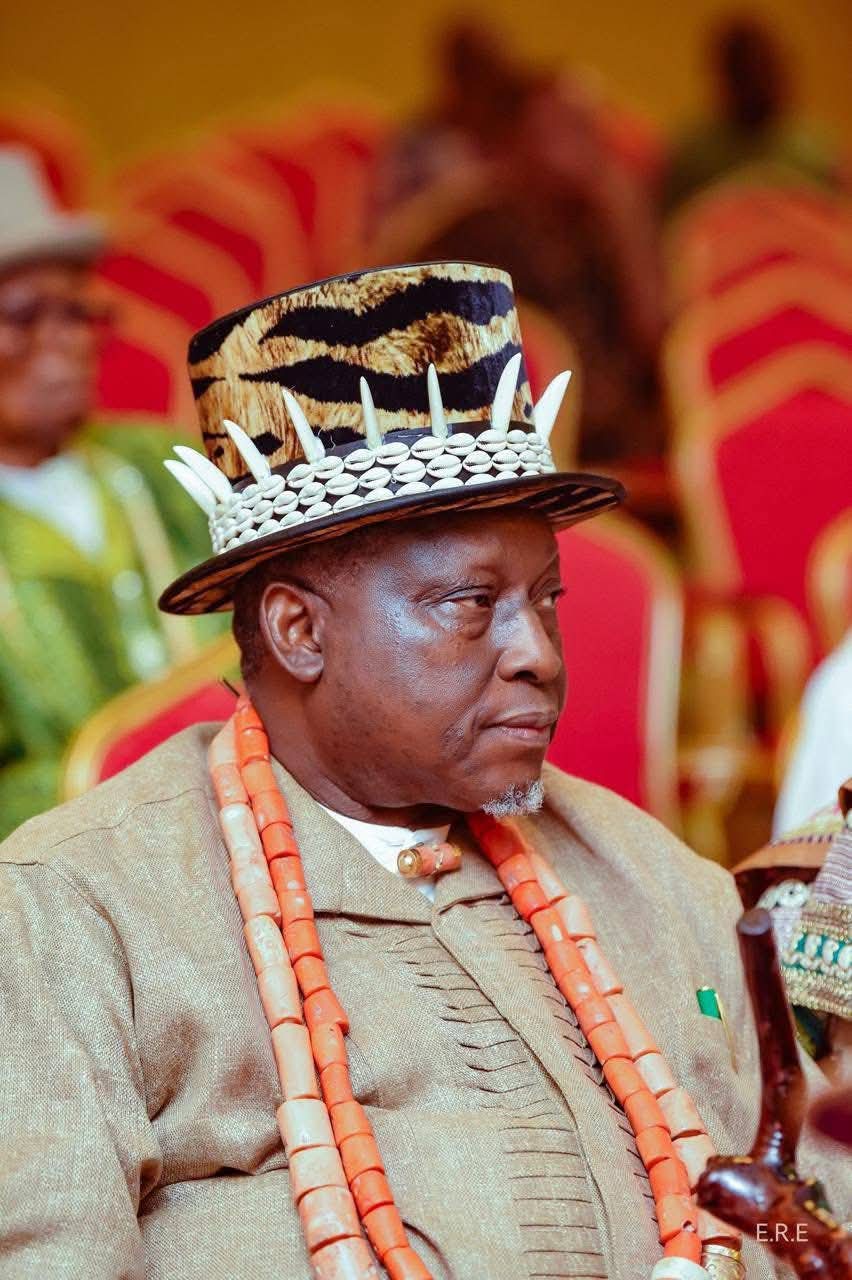
CROWN, CULTURE AND CONSENSUS: A REFLECTIVE ESSAY ON THE 9TH CORONATION ANNIVERSARY OF HIS ROYAL MAJESTY KING AIR COMMODORE TAMUNO-OMISIKI EMMANUEL OPUIYO OGUBE (RTD) JP, DSS, OGUBE I, PEREKUNE KINGOLI I, OPUDA I, OPU-AMBURA I, OPU-CHUUKUU I, THE AMAYANABO AND SUPREME MONARCH OF KIRIKE KINGDOM
By: Dr. Morrison Tamuno George
Director Media, Publicity and Communications, Palace of Kirike Kingdom
Introduction
The Ninth coronation anniversary of His Royal Majesty, King Air Commodore Tamuno-Omisiki Emmanuel Opuiyo Ogube (Rtd), JP, DSS, fdc—Ogube I, Perekune Kingoli I, Opuda I, Opu-Ambura I, Opu-Chuukuu I, Amanyanabo and Supreme Monarch of Kirike Kingdom—offers more than a ceremonial milestone. It provides a rare aperture through which to examine the evolving role of traditional leadership in a post-colonial African state grappling with globalization, decentralization, and cultural revivalism.

As monarchies across the African continent contend with relevance and reinvention, King Ogube’s reign stands as a compelling model of adaptive traditional governance—where historical legitimacy is leveraged not as a relic, but as a resource for sustainable development, restorative justice, and inclusive civic engagement.
I. The Throne as a Site of Civic Consciousness
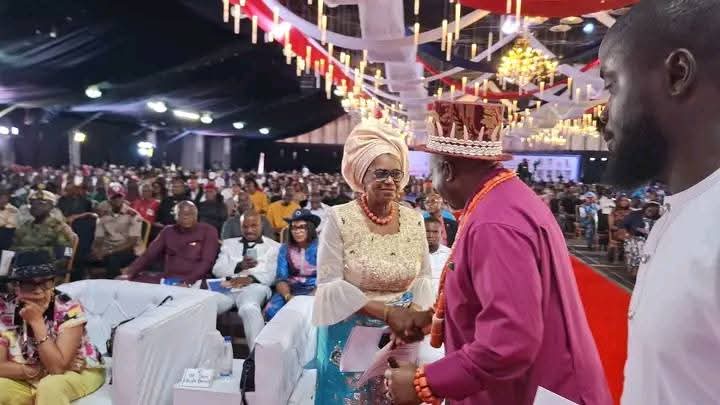
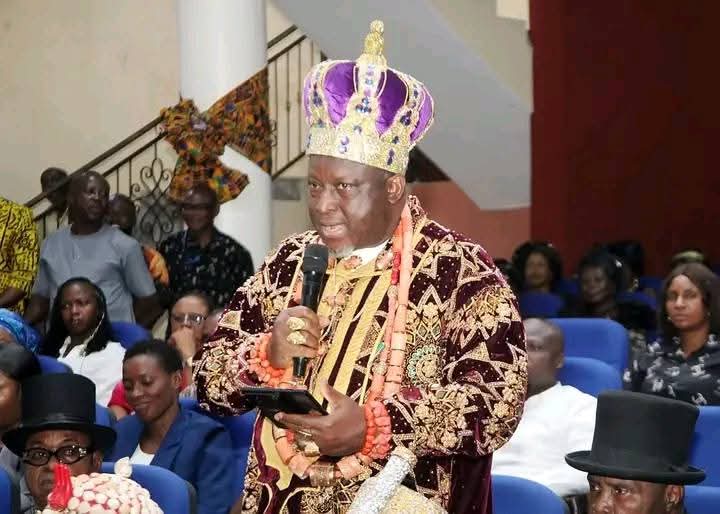
In classical political anthropology, the throne is a symbol of both spiritual authority and territorial stewardship. His Majesty King Ogube has understood this dual mandate with rare clarity and ethical commitment. His reign has not only revived the cultural and cosmological dignity of Kirike Kingdom, but also restored the throne as a conscious institution—one intimately connected to the material, emotional, and psychological well-being of its people.
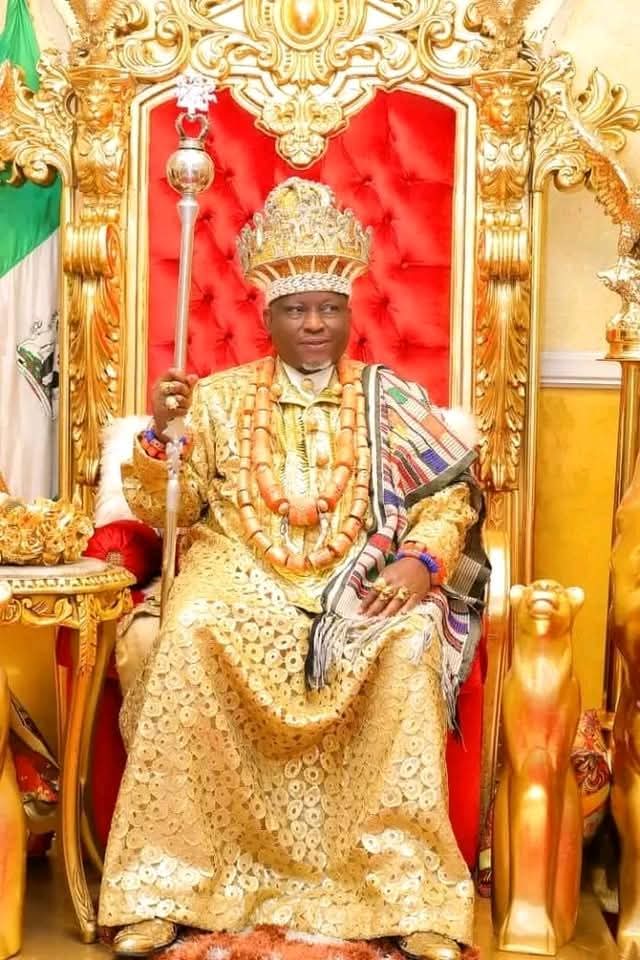
His Majesty has deepened traditional authority not through coercion but through consensual leadership, forging mechanisms of inclusive governance that reflect both indigenous epistemologies and contemporary administrative rigor.
II. Governance as Reconciliation: A King of Healing and Harmony
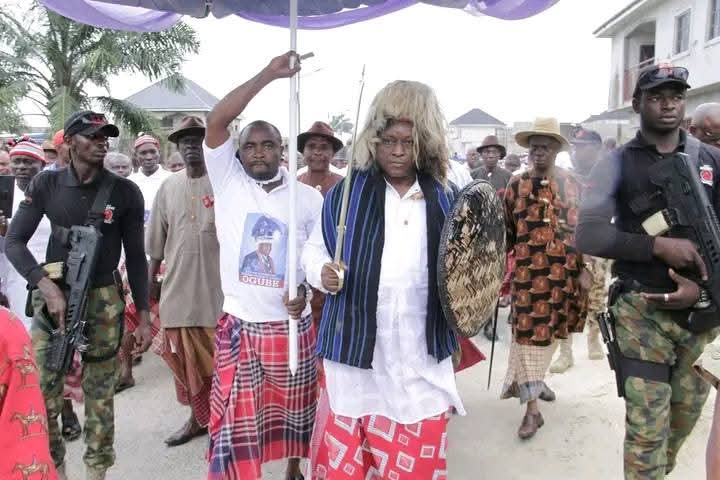
In a region historically defined by political contestations and resource-based agitation, King Ogube’s reconciliation-focused leadership has proven transformative. The King’s non-punitive, dialogical style of conflict resolution has facilitated a climate of peace and trust across Kirike Kingdom’s communities, War Canoe Houses, and family lineages.


By abolishing exploitative land charges and restoring the traditional custodianship of land to War Canoe Chiefs, he enacted socioeconomic reforms rooted in justice. These actions are not merely administrative but deeply symbolic, reaffirming the social contract between the monarch and his people.
III. The Intellectualization of Kingship: Tradition Meets Technocracy
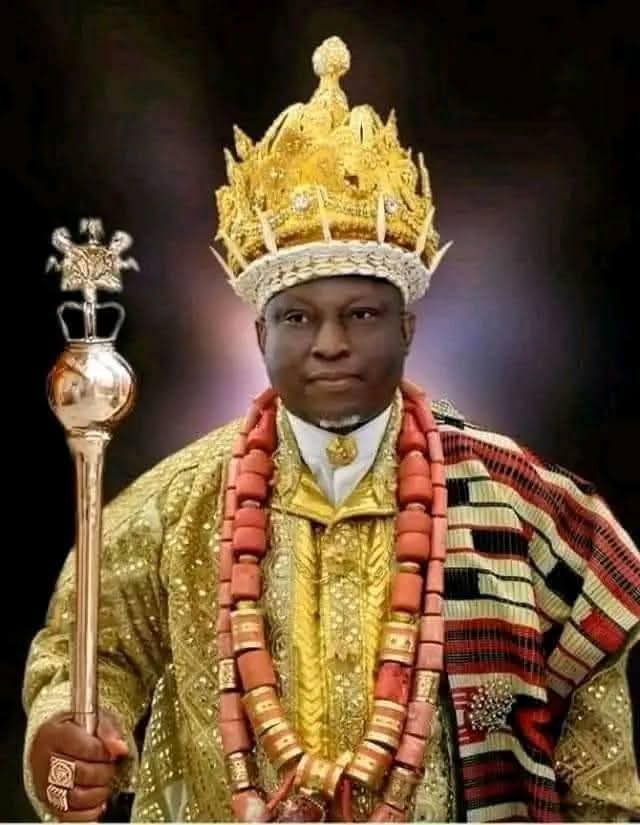
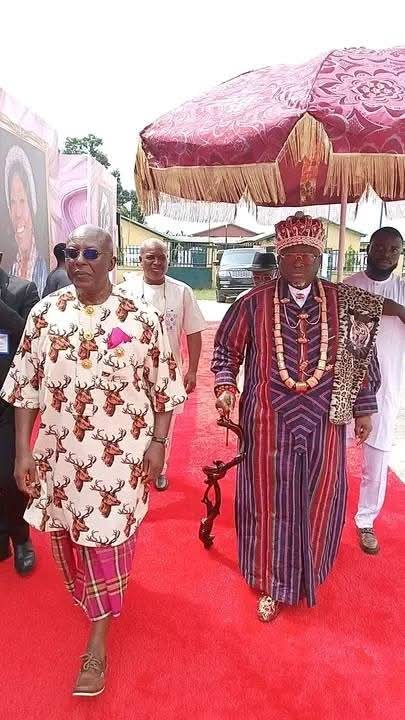
Few traditional rulers embody the convergence of military discipline, strategic foresight, and cultural wisdom as King Ogube. Trained in the Nigerian Air Force to the rank of Air Commodore, he has brought a rare technocratic efficiency to the royal court—restructuring palace administration, improving the documentation of indigenous laws and customs, and elevating the protocols of traditional diplomacy.
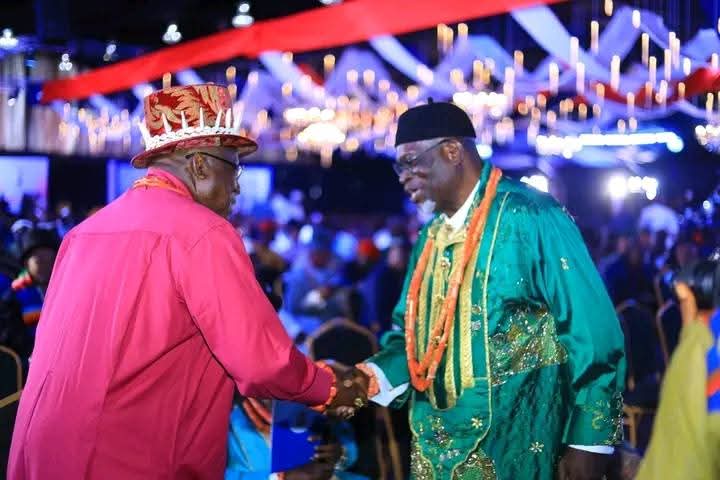
He has repositioned Kirike Kingdom as an intellectual and moral reference point in the Niger Delta, fostering synergies with other monarchs, governmental institutions, and multinational partners.
IV. Youth-Centric Leadership and Cultural Regeneration
Understanding that the future lies in the hands of the youth, King Ogube has implemented policies aimed at cultural continuity and youth empowerment. His Majesty has prioritized the revitalization of the Kirike language, oral history, and customs—ensuring that the younger generation is not alienated from their ancestral identity but equipped to interpret it through modern lenses.
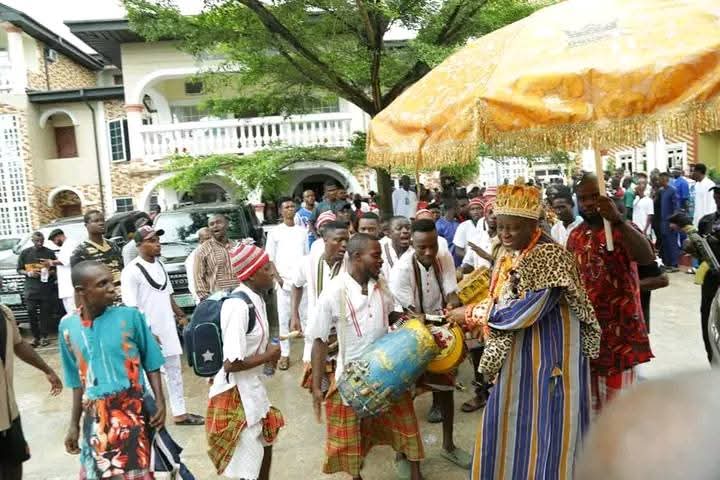
Under his reign, Kirike Kingdom has become not only a sanctuary of memory but also a laboratory of modern identity formation, where cultural roots nourish innovation and self-confidence.
V. The Metrics of Legacy: Building Institutions, Not Just Memories
The true legacy of a king is not confined to ceremonial splendour or symbolic rituals, but rather in the institutions he strengthens and the futures he secures. King Ogube’s reign has consolidated traditional organs of governance—Chiefs’ Council, Elders’ Forum, Women and Youth Assemblies—giving them renewed authority, voice, and function.
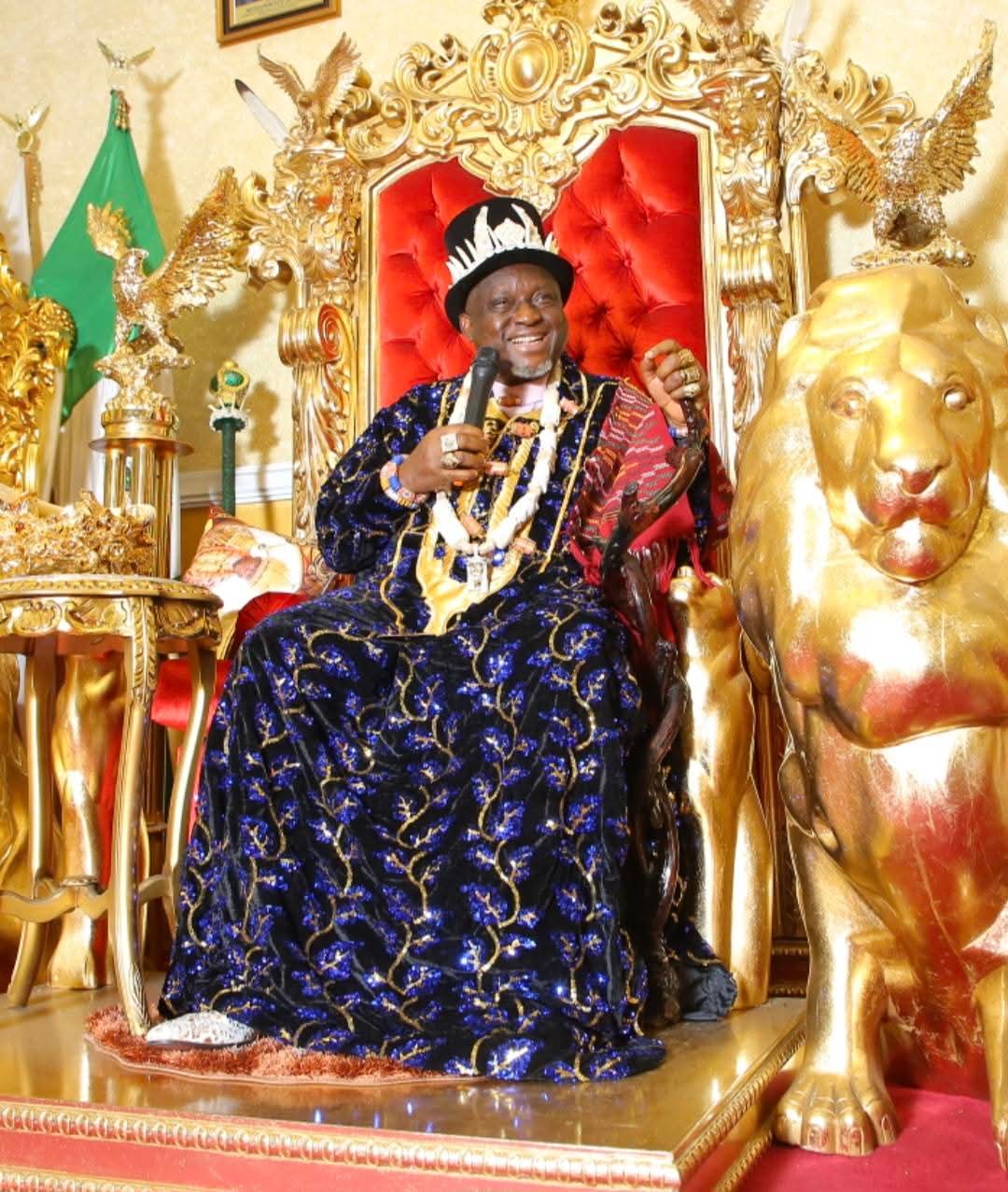
Moreover, his advocacy for the recovery of oil wells, equitable resource allocation, and community development committees (CDCs) reflects a monarch whose gaze is firmly set on resource justice and intergenerational equity.
Conclusion: A Kingship for the Ages
As we mark Nine transformative years of King Ogube’s reign, we are not merely recounting achievements; we are chronicling a sovereign evolution—where a traditional ruler has risen to become an archetype of 21st-century African kingship: accountable, intelligent, strategic, and spiritually anchored.
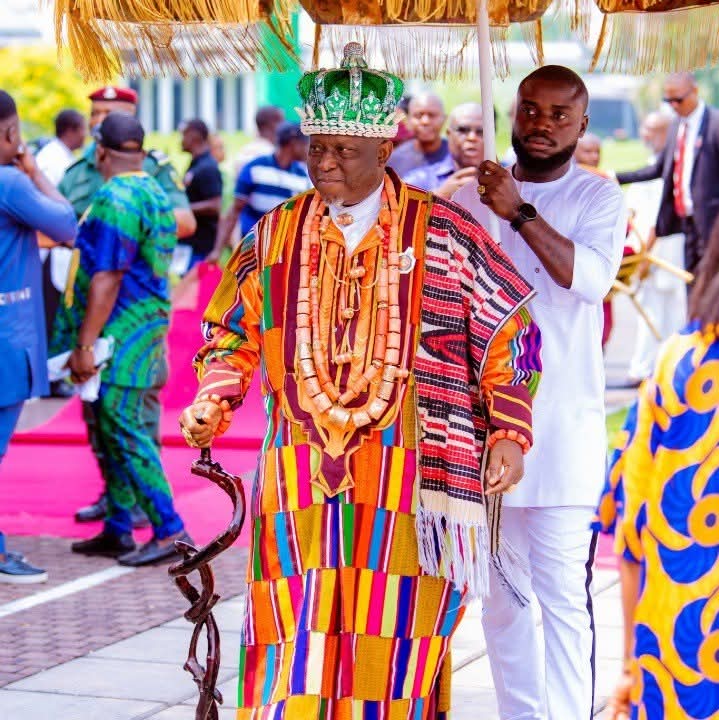
In the years ahead, historians, governance scholars, and cultural theorists alike will revisit this era not as an anomaly, but as an affirmation that traditional institutions, when helmed by visionary leadership, remain vital instruments for national cohesion, local development, and moral renewal.
Long live His Majesty King Ogube the Great—Torchbearer of Tradition, Architect of Progress, and Shepherd of the Kirike Renaissance.
